
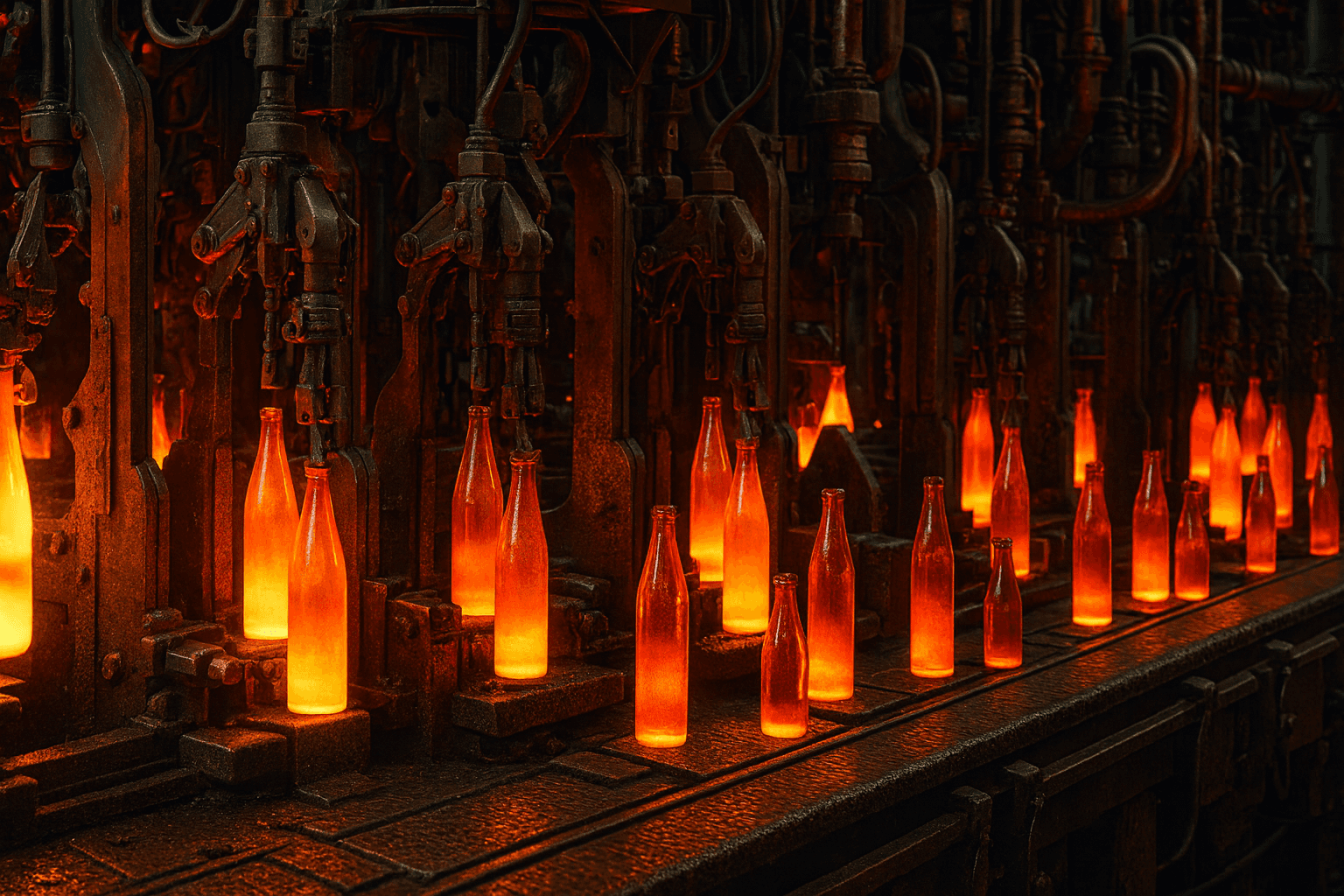
Glass Manufacturing
Glass manufacturing encompasses multiple high-risk stages—from handling silica-rich raw materials to extreme-temperature forming, precision inspection, maintenance, and logistics—each posing unique hazards like dust inhalation, thermal burns, mechanical injuries, and chemical exposures. With over 40 years of experience designing and supplying safety solutions specifically for large glass manufacturers, our range of products can cover all needs.
Glass Manufacturing Industry Overview
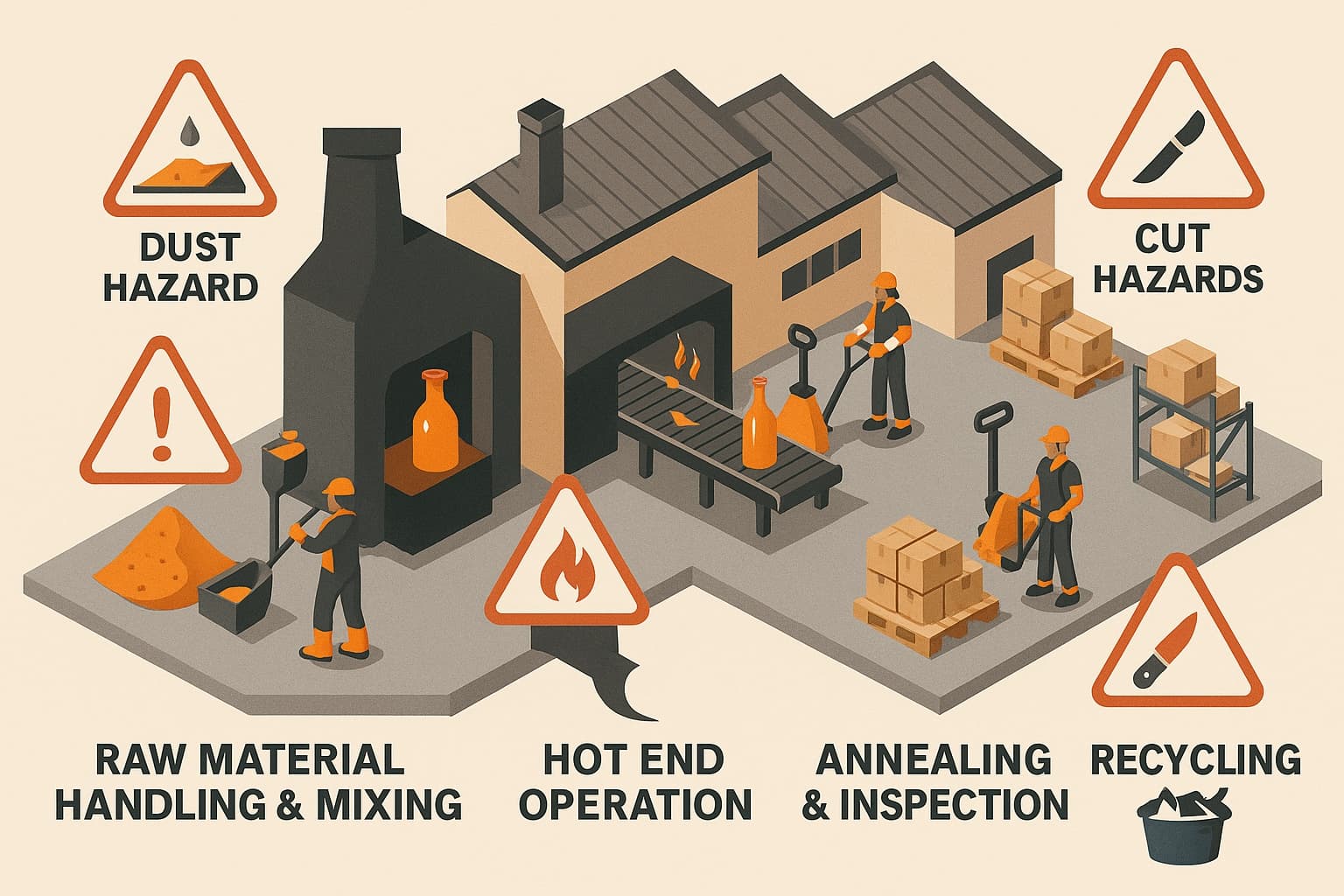
Glass manufacturing encompasses multiple high-risk stages—from handling silica-rich raw materials to extreme-temperature forming, precision inspection, maintenance, and logistics—each posing unique hazards like dust inhalation, thermal burns, mechanical injuries, and chemical exposures. Ensuring worker safety demands stage-specific PPE solutions such as respirators, heat-resistant and cut-protective gloves, hearing protection, and ergonomic equipment.
Raw Material Handling & Batching
Operators receive, store and accurately weigh bulk ingredients—silica sand, soda ash, limestone, and recycled cullet—often transferring materials between bags, silos and hoppers. This stage requires constant vigilance to prevent respirable dust generation and to maintain ergonomic handling practices. Proper PPE at this step not only protects against inhalation and skin irritation but also reduces fatigue and musculoskeletal strain, ensuring consistent accuracy in batching operations.
Key Hazards
PPE Solutions
Hot End & Forming Operations (Cave-Glass Bottles)
Molten glass (>1,500°C) is conditioned in furnaces and formed into bottles, with workers adjusting refractories, stirring melts and lubricating molds before transfer to annealing lehrs. Manual and robotic handling of hot, viscous glass demands precise control and protection. At this stage, PPE must guard against radiant and contact heat, molten spatter, sharp edges, pinch points and airborne fume exposures, while allowing sufficient dexterity for mold lubrication and inspection.
Key Hazards
PPE Solutions
Annealing & Cold End Inspection
After gradual cooling in annealing lehrs, bottles undergo visual and automated inspections to detect defects like stress cracks or surface irregularities. Grinding or defect removal can generate fine glass dust and high noise levels. Effective PPE here focuses on cut protection, respiratory filtration and hearing conservation, enabling inspectors to work safely and maintain product quality.
Key Hazards
PPE Solutions
Maintenance & Repair
Routine and emergency maintenance on furnaces, conveyors, lehrs and electrical systems involves confined-space entry, live-line work and working at heights. Technicians may also handle solvents and refractory binders. Comprehensive PPE—ranging from dielectric gloves to arc-flash suits, fall-arrest gear and chemical protection—is critical to prevent serious injuries during these high-risk interventions.
Key Hazards
PPE Solutions
Packaging, Logistics & Recycling
Finished bottles are packed, palletized and shipped or routed to recycling. Waste cullet, rejects and slag are screened and reprocessed. Manual handling of cases, pallets and material streams creates ergonomic, crush and cut hazards, alongside dust and residual chemicals. PPE solutions here combine impact-reducing and cut-protection gloves, safety boots, dust respirators and quick-change swabs to maintain productivity and safeguard workers in dynamic material-handling environments.
Key Hazards
PPE Solutions
Related Products
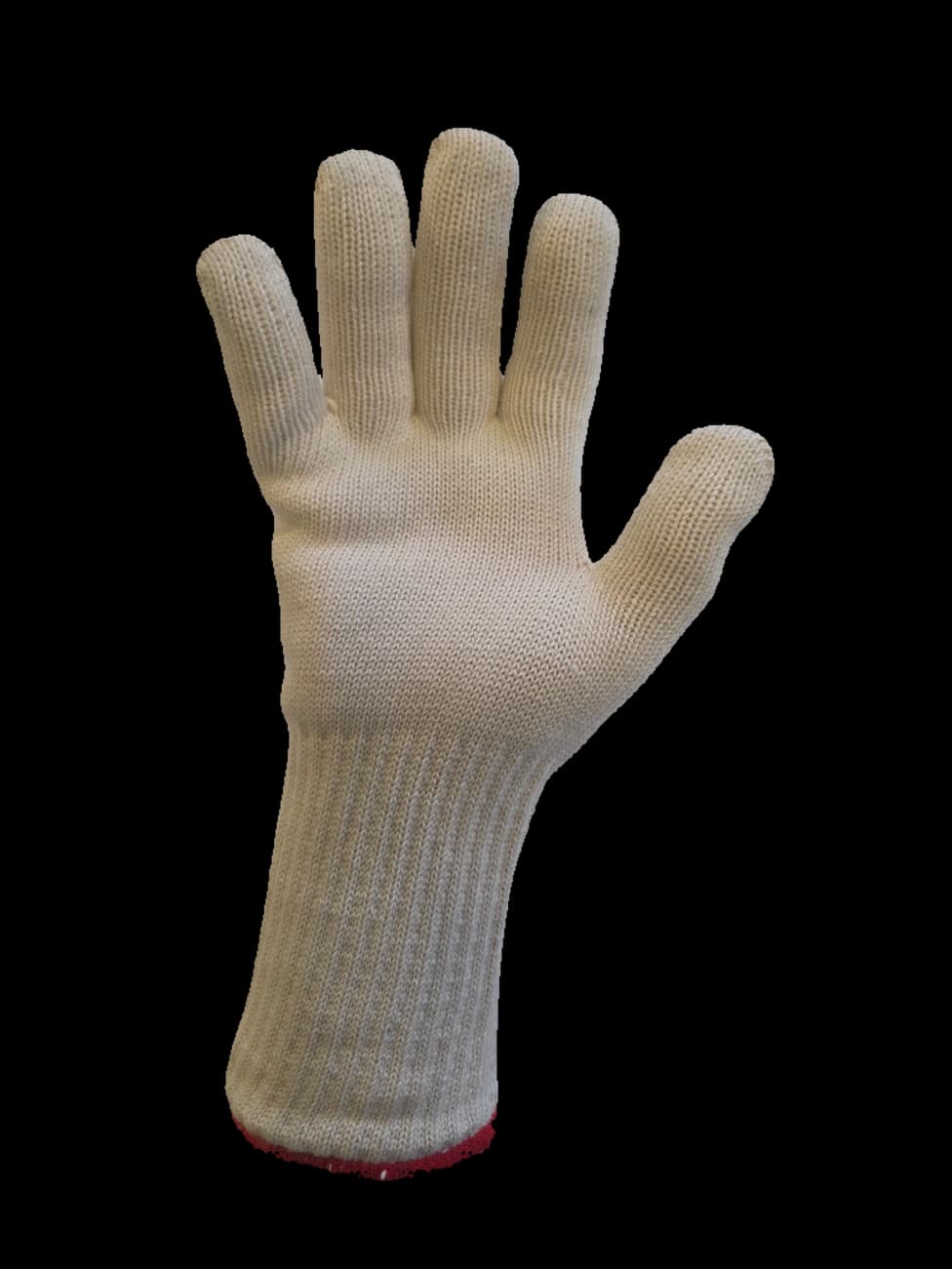
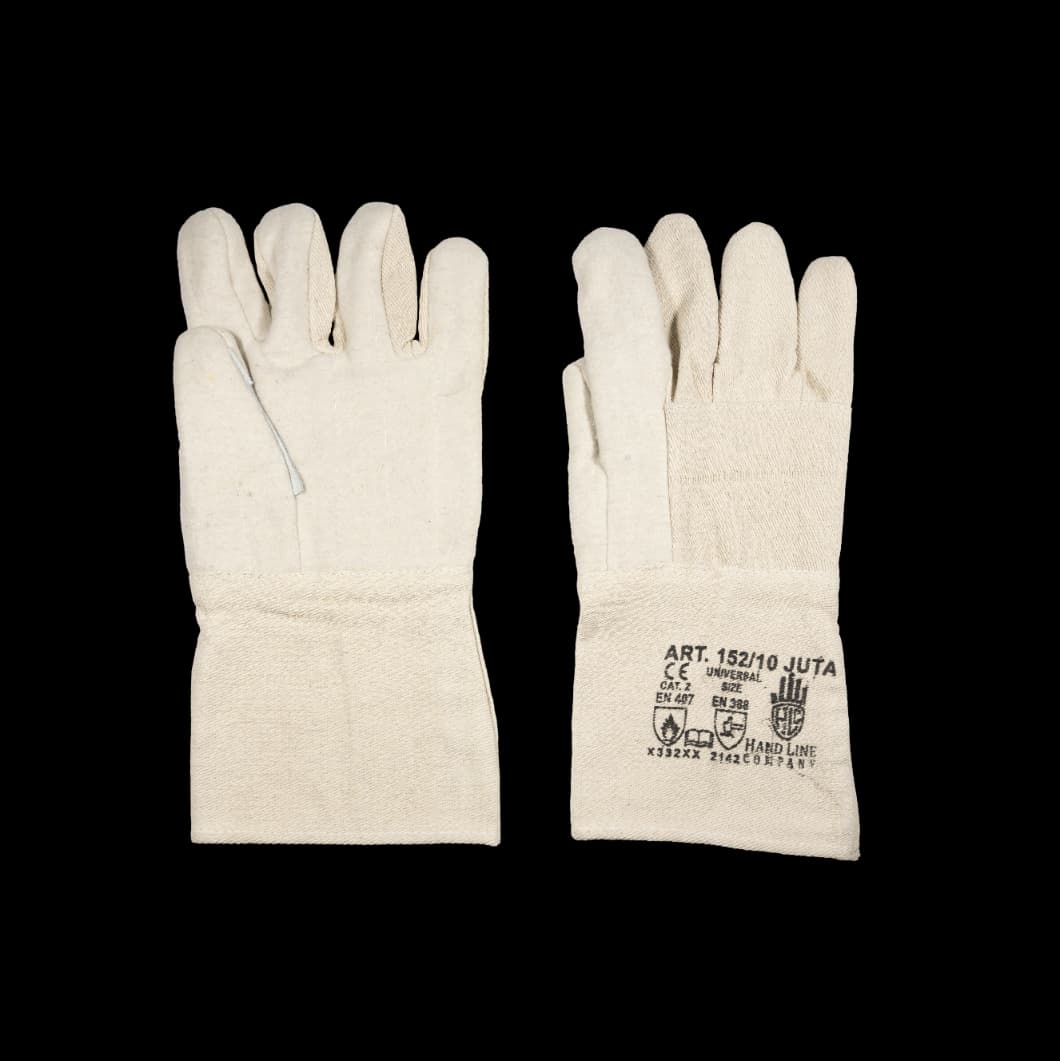
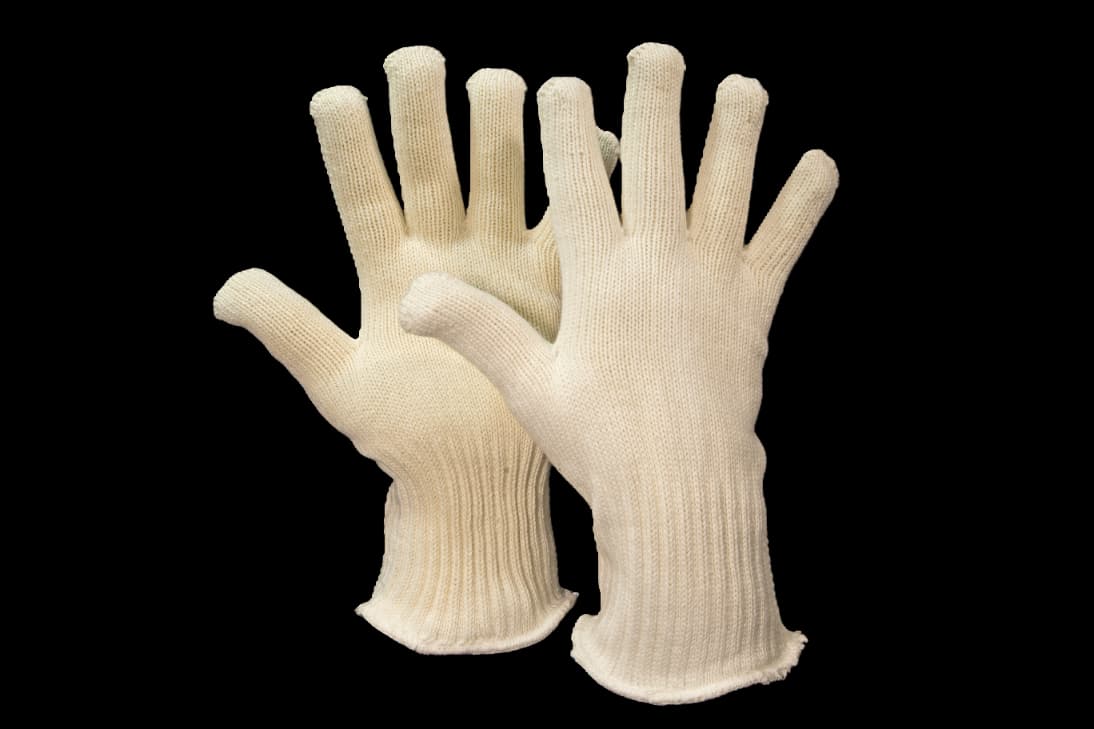
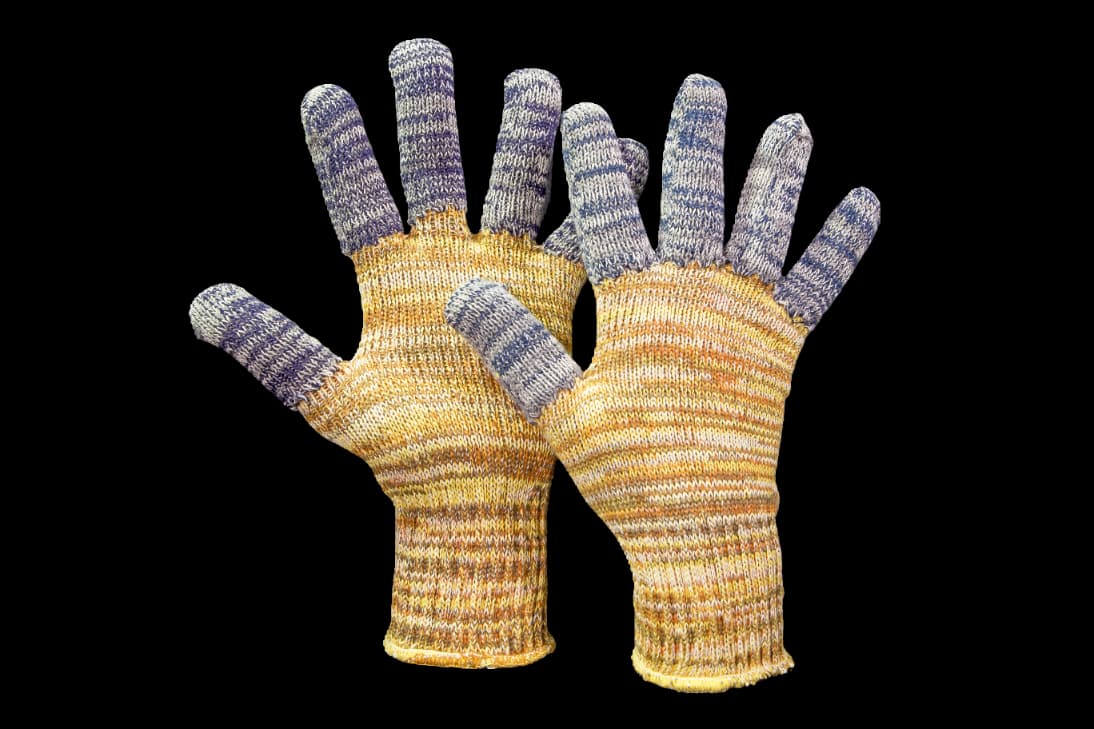
06 P212 36-350°
Double glove with long cuff, designed for high dexterity in operations up to 350 °C


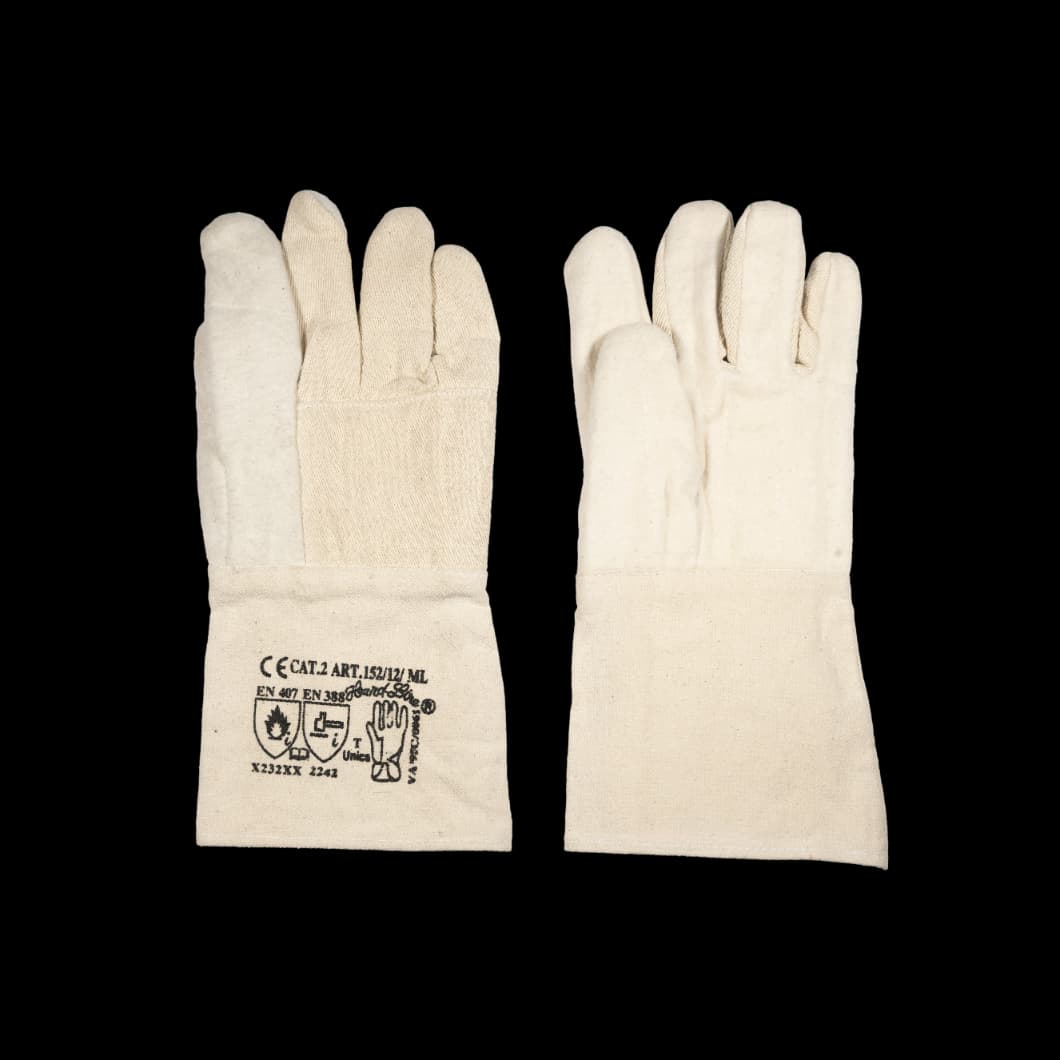

06 P212 36-350°
Double glove with long cuff, designed for high dexterity in operations up to 350 °C
06 P212 36-350°
Double glove with long cuff, designed for high dexterity in operations up to 350 °C
Ready to Enhance Safety in Glass Manufacturing ?
Discover our comprehensive range of safety solutions specifically designed for the glass manufacturing industry.
Trusted by leading companies in glass manufacturing