
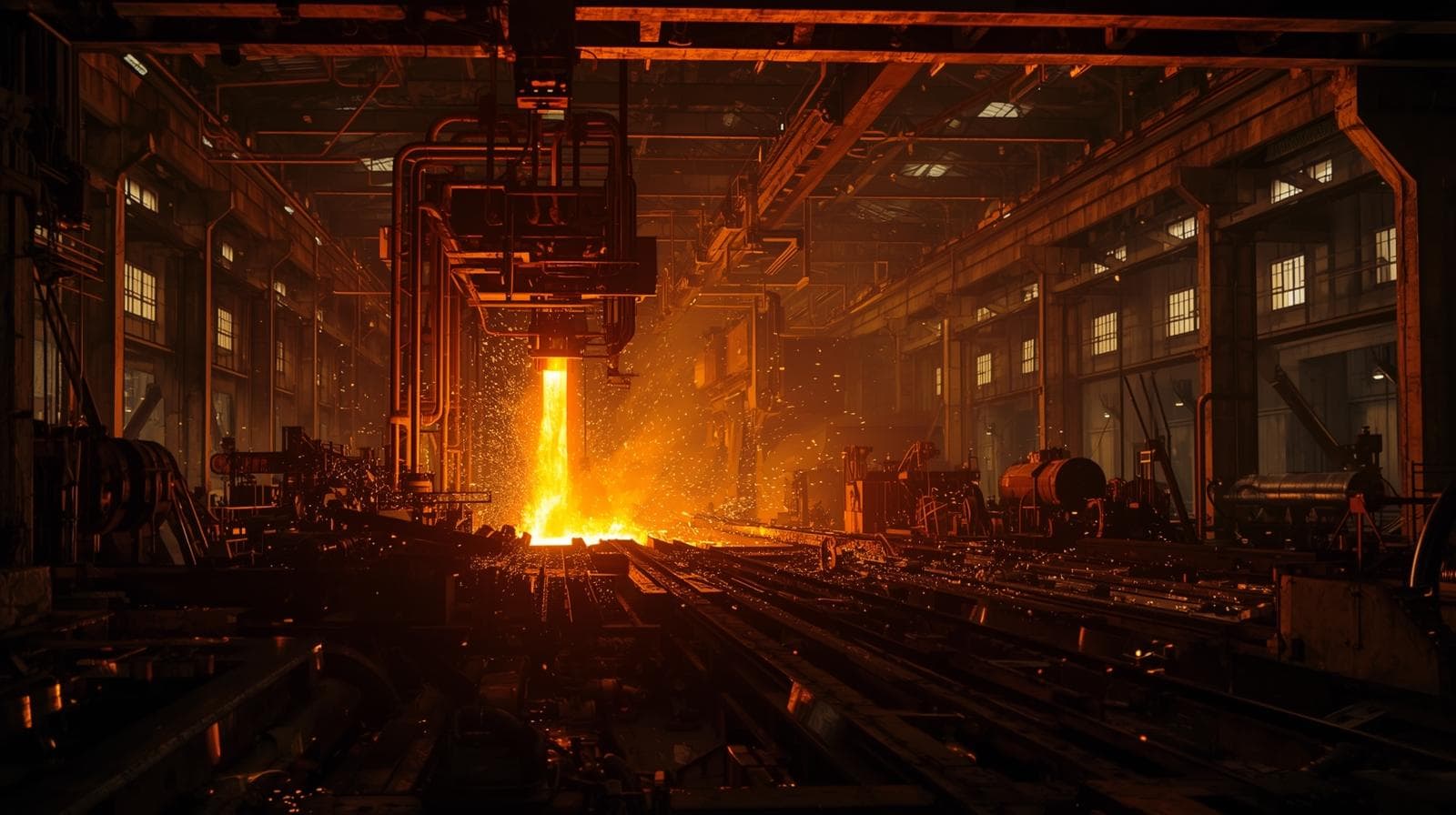
Steel Manufacturing
Steel manufacturing spans a range of intense and hazardous operations—from melting and shaping steel at thousands of degrees to handling heavy loads of scrap, chemical treatments, and logistics. With decades of expertise delivering robust safety and PPE solutions tailored to steel plants, we protect your workforce through every stage.
Steel Manufacturing Industry Overview
Steel production presents some of the most demanding safety challenges in industrial manufacturing. Workers are routinely exposed to extreme heat, molten metal splashes, high noise levels, sharp and heavy materials, and airborne contaminants such as metal fumes and dust. Each stage of the process — from furnace operations to rolling and finishing — introduces unique risks that can cause severe burns, cuts, respiratory issues, and impact injuries if not properly controlled. Effective protection therefore relies on specialized PPE designed for high heat, cut resistance, chemical handling, and respiratory safety, combined with strict adherence to safety procedures and continuous worker training to ensure long-term protection in these harsh environments.
Raw Material Handling & Preparation
The steelmaking process begins with handling raw materials such as iron ore, coal, limestone, and scrap metal. These materials are transported, crushed, stored, and prepared for charging into the furnace. Workers in this stage are exposed to significant physical and environmental risks due to heavy equipment, dust, and noise.
Key Hazards
PPE Solutions
Melting and Furnace Operations
At this stage, raw materials are transformed into molten steel in blast furnaces or electric arc furnaces. Temperatures exceed 1,500°C, creating an environment of intense heat, molten metal splashes, and harmful fumes. It’s one of the most hazardous phases of steel production.
Key Hazards
PPE Solutions
Casting and Forming
Molten steel is cast into slabs, billets, or blooms, then rolled or forged into the required shape. This phase involves powerful machinery and moving metal, exposing workers to crush injuries, hot surfaces, and sharp edges.
Key Hazards
PPE Solutions
Surface Treatment and Finishing
After forming, steel may undergo processes such as pickling, galvanizing, coating, and painting. These operations introduce chemical, thermal, and mechanical hazards that demand careful PPE selection.
Key Hazards
PPE Solutions
Maintenance and Repair
Maintenance covers routine checks, mechanical and electrical repairs, cleaning, and shutdown operations. These tasks often involve confined spaces, welding, and work at height — all of which present critical hazards.
Key Hazards
PPE Solutions
Logistics and Scrap Handling
The final stage involves moving, loading, and recycling steel products and scrap. Workers handle sharp and heavy materials, operate forklifts, and work around moving vehicles — making impact and cut protection vital.
Key Hazards
PPE Solutions
Related Products
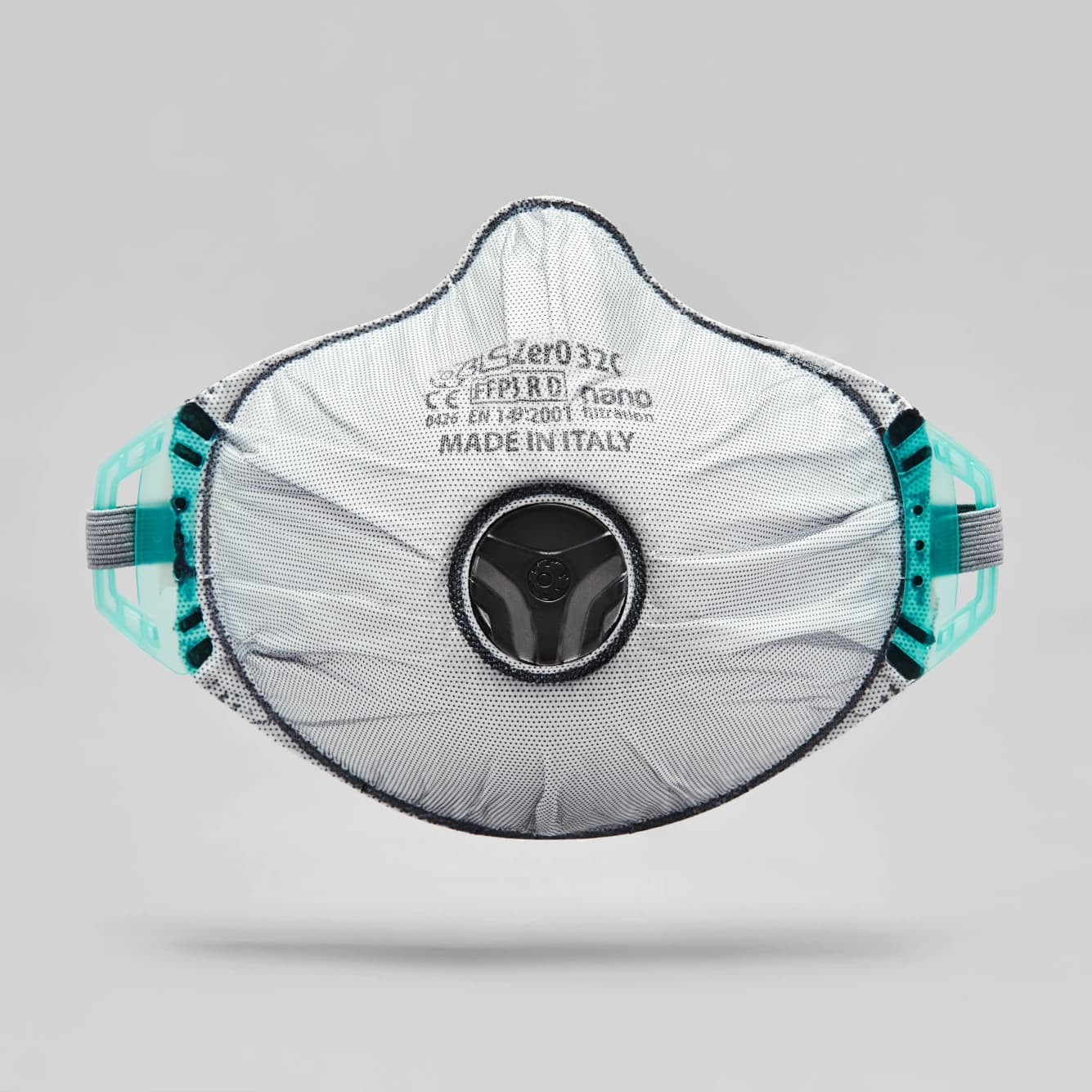
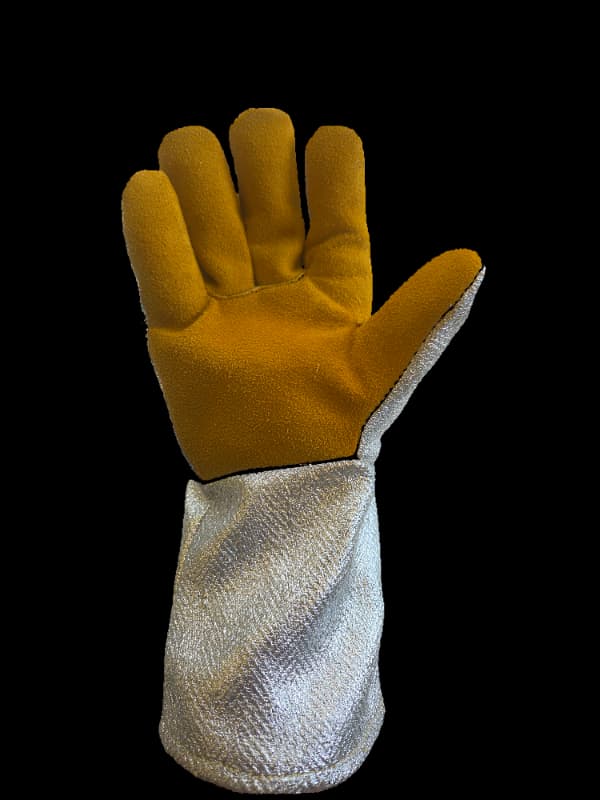
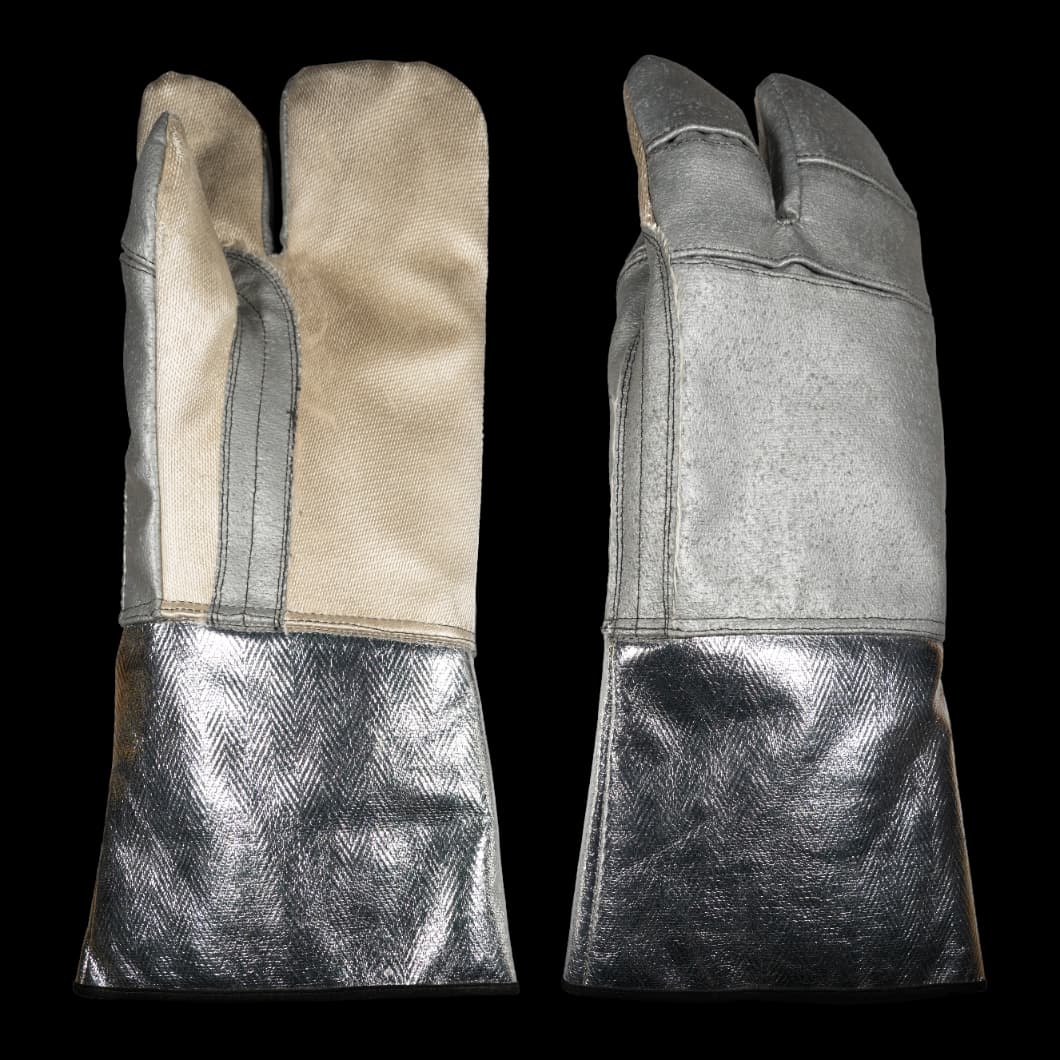

152/14ML-3L20
Heat-resistant glove in cotton (350 °C) with triple layer and back-of-hand reinforcement for high-temperature operations and mechanical hazards


152/14ML-3L20
Heat-resistant glove in cotton (350 °C) with triple layer and back-of-hand reinforcement for high-temperature operations and mechanical hazards
152/14ML-3L20
Heat-resistant glove in cotton (350 °C) with triple layer and back-of-hand reinforcement for high-temperature operations and mechanical hazards
Ready to Enhance Safety in Steel Manufacturing ?
Discover our comprehensive range of safety solutions specifically designed for the steel manufacturing industry.
Trusted by leading companies in steel manufacturing