
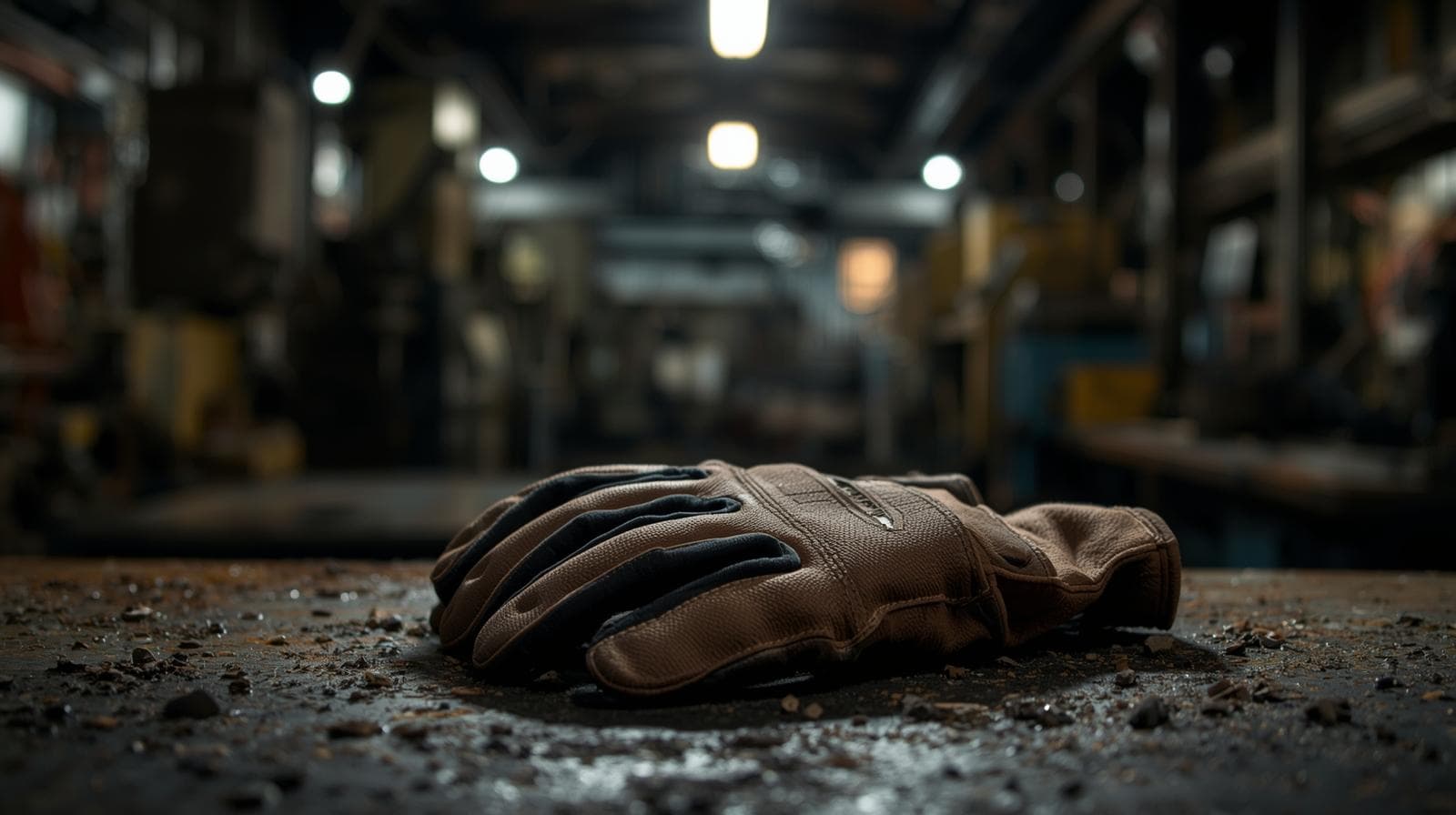
Our hands are our most valuable tools, but they’re also the most exposed part of the body in many workplaces. From construction sites to food processing plants, workers rely on their hands for precision, strength, and control. Unfortunately, this makes them especially vulnerable to injury — and the numbers across Europe tell a worrying story.
The Scale of Hand Injuries in Europe and the UK
Workplace accident data consistently shows that hand and arm injuries are the most common type of workplace injury. Across Europe, they represent more than 40% of all non-fatal accidents, making them the single largest category of workplace injuries. Each year, there are an estimated 306,000 hand injuries, 688,000 finger injuries, and nearly 150,000 wrist injuries.
The economic impact is also significant. Hand and wrist injuries cost UK businesses around £1.3 billion annually, factoring in lost productivity, compensation, and healthcare costs.
Common Types of Hand Injuries at Work
Not all hand injuries are the same, but most fall into a few common categories:
- Cuts and lacerations from glass, sheet metal, blades, or sharp tools.
- Punctures and abrasions caused by wires, nails, or rough surfaces.
- Burns and chemical injuries, which may cause permanent damage if the skin is exposed.
- Sprains, fractures, and crush injuries, often linked to machinery or heavy loads.
Even minor cuts can restrict dexterity and reduce productivity. More serious accidents can result in permanent loss of function or amputation — a life-changing outcome for the worker and their family.
The Role of Safety Gloves in Preventing Hand Injuries
The good news is that most of these accidents are preventable. Wearing the correct PPE gloves for hand protection can reduce injury risk by up to 60%.
Safety gloves are designed to act as a barrier against mechanical, chemical, and thermal risks. However, not every glove is suitable for every task. The effectiveness of hand protection depends on choosing the right type:
- Cut-resistant gloves for handling sharp materials.
- Chemical-resistant gloves for solvents, oils, or hazardous substances.
- Thermal gloves for protection against extreme heat, sparks, or cold.
- Impact-resistant gloves for tasks involving vibration, shocks, or heavy tools.
When workers wear gloves designed for their task, they are better protected and can perform their jobs with greater confidence and safety.
Why Hand Protection PPE is Not Always Used
If protective gloves are so effective, why do hand injuries remain so common? The main reasons include:
- Lack of awareness of risks.
- Incorrect glove selection, leaving workers exposed.
- Non-compliance, when gloves feel uncomfortable or limit dexterity.
- Cost-cutting, with employers prioritising lower prices over proper protection.
Addressing these issues requires more than just supplying PPE — it requires a culture of safety where hand protection is a priority, not an afterthought.
Best Practices for Employers and Workers
Improving workplace safety doesn’t have to be complicated. Here are key steps to reduce preventable hand injuries:
- Carry out risk assessments to identify hand hazards in each role.
- Select the right safety gloves for each hazard — cut, chemical, heat, or impact.
- Train workers on proper PPE use and why it matters.
- Promote compliance by offering comfortable, ergonomic gloves.
- Inspect and replace gloves regularly to maintain protection.
With these measures in place, businesses can dramatically lower the risk of workplace injuries, reduce downtime, and protect their most valuable asset — their people.
Conclusion
Hand injuries are the most frequent and costly workplace accidents in Europe and the UK, but they don’t have to be. With the correct use of hand protection PPE gloves, up to 60% of injuries can be avoided.
The challenge is not availability but awareness and adoption. By selecting the right safety gloves and building a strong PPE culture, employers can protect their teams, reduce costs, and improve overall workplace safety.
Hand protection is not just about compliance — it’s about protecting workers, preventing accidents, and creating safer, more productive workplaces.